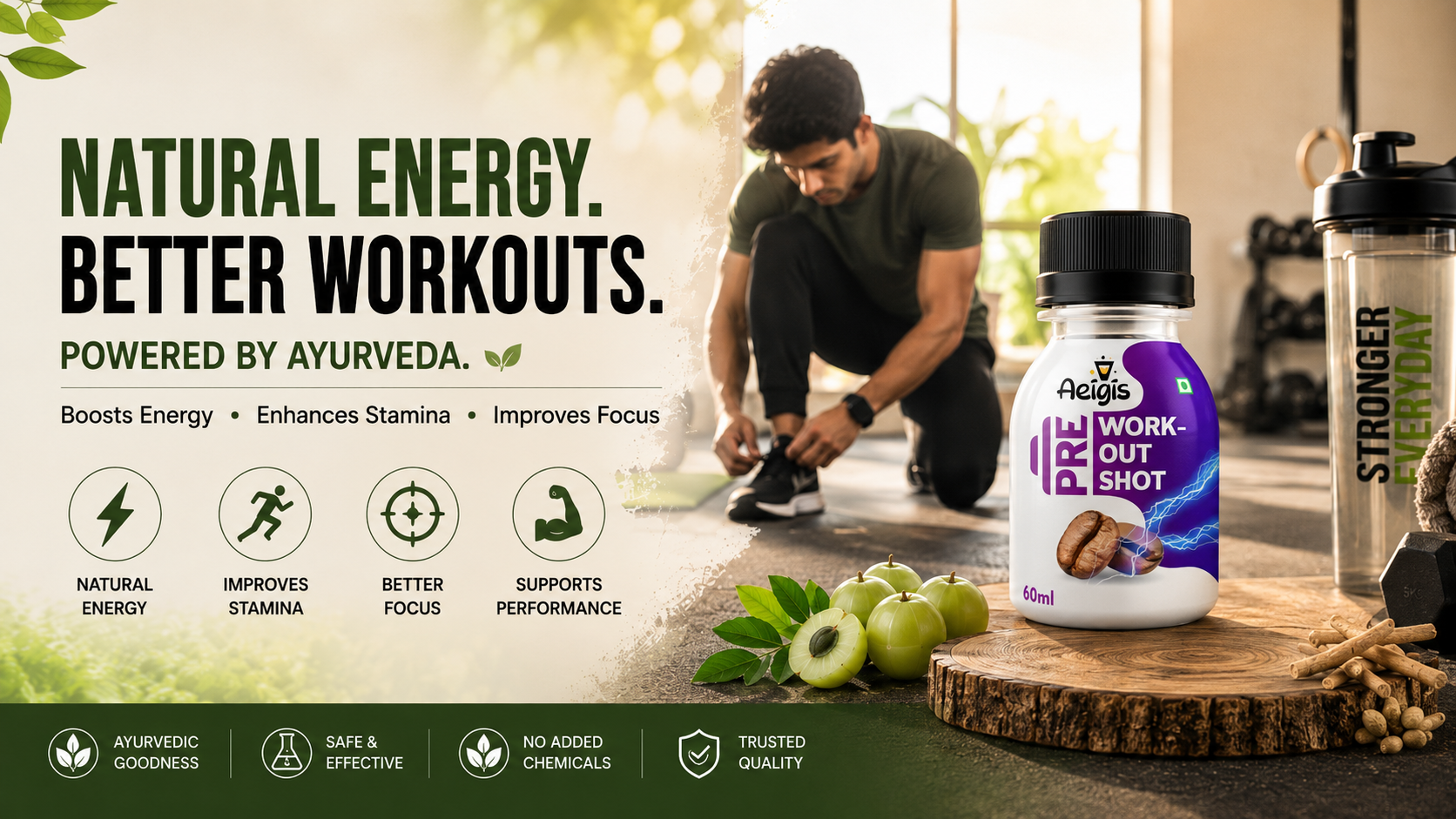
A productive workout does not begin when you pick up the first dumbbell or step onto the treadmill.
It begins earlier with:
- Appropriate food
- Adequate hydration
- Sufficient sleep
- A realistic training plan
- Proper warm-up
- Enough recovery from previous workouts
Many people depend on strong coffee, energy drinks or concentrated pre-workout powders when they feel tired before exercise. These products may not be necessary for every workout, and they cannot replace sleep, balanced nutrition or hydration.
The practical answer is:
Eat an appropriate meal or snack before exercise, arrive well hydrated, warm up gradually and use any pre-workout supplement only according to its label and your individual health needs.
Pre-exercise nutrition can influence available energy and exercise performance. The most suitable food and timing depend on the workout duration, intensity and individual digestive comfort.
Medical disclaimer: This article is intended for general education. Consult a qualified healthcare professional before beginning a new exercise programme or using a pre-workout product if you take medicine, have a medical condition, are pregnant or breastfeeding, or experience chest pain, dizziness or unusual breathlessness during activity.
What Is a Pre-Workout Routine?
A pre-workout routine is everything you do before physical activity to prepare your body and mind.
It may include:
- Eating a suitable meal or snack
- Drinking enough water
- Wearing appropriate clothing and footwear
- Completing a gradual warm-up
- Planning the workout
- Using a pre-workout drink or supplement where appropriate
A pre-workout product is only one optional part of this routine.
The foundations—food, hydration, sleep and training consistency—are more important than any single drink or powder.
Do You Need a Pre-Workout Supplement?
Not everyone requires a supplement before exercising.
You may already have enough energy when you:
- Have eaten an appropriate meal
- Are properly hydrated
- Have slept adequately
- Are following a realistic exercise plan
- Are not training for an unusually long period
A supplement should not be used to hide:
- Chronic exhaustion
- Very poor sleep
- Inadequate food intake
- Dehydration
- Illness
- Overtraining
- Persistent weakness
When fatigue is frequent or unexplained, medical evaluation is more appropriate than repeatedly increasing stimulants.
What Should You Eat Before a Workout?
The ideal pre-workout meal depends on how soon you will exercise.
Carbohydrates are an important energy source during many forms of exercise, while protein may help support muscle maintenance and recovery. Reviews of sports nutrition indicate that suitable carbohydrate intake before exercise can support endurance and performance, although needs vary by exercise type.
Two to four hours before exercise
Choose a balanced meal containing:
- Carbohydrates
- Protein
- A moderate amount of fat
- Fluids
Examples include:
- Rice, dal and vegetables
- Roti, paneer and cooked vegetables
- Oats with milk, fruit and nuts
- Eggs with toast and fruit
- Curd rice with vegetables
- Chicken or tofu with rice
- Poha with vegetables and curd
A larger meal needs more digestion time.
Thirty to ninety minutes before exercise
Choose a lighter, easily digested snack.
Examples include:
- Banana
- Toast with a small amount of nut butter
- Curd with fruit
- A small bowl of oats
- Dates with a few nuts
- A light smoothie
- A small portion of poha
- Raisins or another easily tolerated carbohydrate
Avoid experimenting with unfamiliar foods immediately before an important workout or competition.
Immediately before exercise
When only a short time remains, heavy meals may cause:
- Fullness
- Nausea
- Burping
- Cramping
- Reduced comfort
A small, familiar snack may be more suitable, or food may not be necessary for a short workout when you have eaten earlier.
Should You Exercise on an Empty Stomach?
Some people prefer fasted exercise, particularly early in the morning.
However, training without food is not automatically better for fat loss or workout performance.
Fasted training may cause some people to experience:
- Low energy
- Dizziness
- Early fatigue
- Reduced workout quality
- Headache
- Nausea
- Difficulty concentrating
Endurance athletes commonly avoid starting important exercise sessions with inadequate fuel because reduced energy stores may compromise performance.
People using diabetes medication or insulin should obtain professional advice before fasting or changing meal timing around exercise.
Hydration Before Exercise
Beginning a workout dehydrated may make exercise feel more difficult.
Hydration supports:
- Circulation
- Body-temperature regulation
- Physical performance
- Concentration
- Recovery
Exercise-related fluid needs depend on:
- Weather
- Workout intensity
- Duration
- Body size
- Sweat rate
- Clothing
- Indoor or outdoor conditions
Sports-nutrition guidance commonly recommends limiting exercise-related fluid loss to less than approximately 2% of body weight where practical.
A practical hydration routine
Before exercise:
- Drink water regularly throughout the day
- Avoid waiting until the workout begins to correct major dehydration
- Check urine colour as a rough hydration clue
- Carry water for longer or hotter sessions
- Increase attention to fluids during hot and humid weather
During exercise, small regular drinks are generally more comfortable than consuming a very large quantity at once.
People with heart or kidney conditions should follow their clinician’s fluid recommendations.
Do You Need electrolytes?
Water is often sufficient for shorter, moderate workouts.
Electrolyte replacement may become more relevant during:
- Long exercise sessions
- Heavy sweating
- Hot-weather training
- Multiple workouts in one day
- Endurance events
High-sodium drinks or powders are not automatically necessary for every gym session.
Hydration strategies should be adjusted to individual sweat losses and exercise demands.
Caffeine and Pre-Workout Drinks
Caffeine is frequently included in commercial pre-workout products and energy drinks.
Some adults may experience improved alertness or exercise performance, but caffeine can also cause:
- Shaking
- Palpitations
- Anxiety
- Digestive discomfort
- Headache
- Sleep disturbance
- Increased dependence
People may respond very differently to the same quantity.
Avoid combining multiple caffeinated products such as:
- Strong coffee
- Energy drinks
- Pre-workout powder
- Fat-burning supplements
- Caffeine tablets
The long-term effects and safety of frequent energy-drink use remain a concern, especially for younger or caffeine-sensitive users.
Avoid late-evening stimulant use
A pre-workout that interferes with sleep may reduce recovery and make the following day’s workout more difficult.
Check whether the product contains:
- Caffeine
- Green tea extract
- Guarana
- Other stimulating ingredients
Choose a non-stimulant routine when exercising close to bedtime.
Warm-Up Before Exercise
A good warm-up gradually prepares the body for activity.
It may include:
- Easy walking
- Light cycling
- Arm circles
- Hip movements
- Bodyweight exercises
- Lighter practice sets
- Sport-specific movements
A warm-up should increase movement gradually rather than exhaust you before the main workout.
For strength training, perform lighter versions of the exercise before lifting heavier weights.
Pre-Workout Routines for Different Workouts
Strength training
Before lifting weights:
- Eat a balanced meal earlier
- Include carbohydrates and protein
- Hydrate throughout the day
- Perform lighter warm-up sets
- Focus on correct technique
A pre-workout product cannot compensate for poor lifting form.
Cardio workouts
Before running, cycling or swimming:
- Choose an easy-to-digest carbohydrate source
- Avoid very heavy or fatty meals immediately beforehand
- Drink water
- Increase fuel for longer sessions
- Warm up gradually
Carbohydrate intake is particularly relevant during longer endurance exercise because it can help delay fatigue.
Morning workouts
For a short, easy morning session, some people may feel comfortable with only water.
For a longer or intense session, consider:
- Banana
- Toast
- Dates
- Small bowl of oats
- Light smoothie
- Label-directed pre-workout product
Choose foods that do not cause digestive discomfort.
Evening workouts
Avoid excessively heavy dinners immediately before exercise.
Choose a lighter meal or snack, and be cautious with stimulants that may affect sleep.
What Is an Ayurvedic Pre-Workout?
An Ayurvedic pre-workout is a herbal formulation marketed to complement exercise preparation through ingredients traditionally associated with energy, stamina, focus or metabolic wellness.
However, “Ayurvedic” does not automatically mean:
- Suitable for everyone
- Stimulant-free
- Free from side effects
- Clinically proven to enhance every workout
- Safe with all medicines
Read the complete ingredient label and follow the recommended serving.
What Is the Ikvans Ayurvedic Pre-Workout Shot?
The Ikvans Ayurvedic Pre-Workout Shot is a herbal formulation designed to support:
- Workout readiness
- Energy
- Focus
- Stamina
- Appetite balance
- Active-lifestyle routines
Ikvans positions the product as support before physical activity rather than as a substitute for food, hydration or training.
It should not be marketed as:
- Instant muscle growth
- Guaranteed strength
- A fat-burning cure
- A replacement for sleep
- A treatment for chronic fatigue
- Safe for every person without review
How to Use the Ikvans Pre-Workout Shot
Follow the exact instructions printed on the bottle.
Before use:
- Read the complete ingredient list
- Confirm the serving size
- Check for caffeine or stimulant ingredients
- Follow the recommended timing
- Do not take multiple servings together
- Do not combine it with energy drinks
- Drink adequate water
- Stop use if an unexpected reaction occurs
Add the exact verified timing and serving instructions to the product page so customers do not need to estimate.
Who Should Seek Professional Advice Before Use?
Speak with a healthcare professional before using a pre-workout product when you:
- Have high blood pressure
- Have a heart condition
- Experience palpitations
- Use prescription medicine
- Have diabetes
- Have kidney or liver disease
- Are pregnant or breastfeeding
- Are under 18
- Experience anxiety or insomnia
- Are preparing for surgery
Stop exercise and seek urgent medical attention for chest pain, fainting, severe breathlessness or a rapid irregular heartbeat.
Common Pre-Workout Mistakes
1. Training while dehydrated
A supplement cannot replace water.
2. Taking a double serving
More product does not guarantee a stronger workout and may increase side-effect risk.
3. Combining coffee and energy drinks
This can result in excessive stimulant intake.
4. Skipping food every day
Repeated under-fuelling may reduce workout quality and recovery.
5. Taking pre-workout late at night
Stimulant-related sleep disruption can harm recovery.
6. Ignoring warning symptoms
Dizziness, chest discomfort and unusual breathlessness should not be treated as normal workout sensations.
7. Expecting instant muscle gain
Muscle development requires progressive training, adequate nutrition, protein, sleep and time.
Frequently Asked Questions
1. What should I eat before exercising?
Choose a balanced meal two to four hours beforehand or a light, easily digested snack closer to the workout.
2. Is a banana a good pre-workout snack?
A banana provides carbohydrates and is convenient for many people. Individual digestive tolerance still matters.
3. Should I take pre-workout on an empty stomach?
Follow the product instructions. Some people may experience nausea, shaking or discomfort when taking concentrated products without food.
4. How much water should I drink before exercise?
Needs vary by climate, sweat rate, exercise duration and health. Arrive hydrated rather than drinking an excessive amount immediately before starting.
5. Do beginners need pre-workout supplements?
No. Beginners can usually focus first on food, water, sleep, warm-up and consistent training.
6. Can a pre-workout shot burn body fat?
It should not be treated as a fat-burning solution. Weight management depends on the wider eating and activity pattern.
7. Can I combine pre-workout with coffee?
Avoid combining stimulants unless a qualified professional has reviewed the total intake and found it appropriate.
8. Can I take pre-workout every day?
Follow the product label. Daily use may not be suitable when the formulation contains stimulants or when it affects sleep or blood pressure.
9. Is the Ikvans Pre-Workout Shot a replacement for a meal?
No. It is intended to complement not replace appropriate nutrition and hydration.
10. When should I stop using a pre-workout?
Stop and seek advice for palpitations, dizziness, severe anxiety, chest discomfort, persistent nausea or another concerning reaction.
Conclusion
A useful pre-workout routine is not built around one supplement.
It begins with:
- Appropriate food
- Adequate hydration
- Sufficient sleep
- A gradual warm-up
- Realistic training
- Consistent recovery
The Ikvans Ayurvedic Pre-Workout Shot may complement an active lifestyle when used according to the label. It should not replace nutrition, hydration, medical care or a properly planned workout routine.