Piles, also called haemorrhoids, are swollen and inflamed veins around the anus or in the lower rectum. They may cause itching, discomfort, swelling, pain or bright-red bleeding during a bowel movement.
Although piles are common, not every case of rectal pain, itching or bleeding is caused by haemorrhoids. Anal fissures, infections, inflammatory conditions and other digestive problems can produce similar symptoms, so persistent or recurring symptoms should be professionally assessed.
The practical approach is:
Keep stools soft, avoid straining, reduce prolonged toilet sitting, stay hydrated and seek medical advice when bleeding, pain or swelling persists.
Medical disclaimer: This article is for general education and does not replace diagnosis or treatment from a qualified doctor. Rectal bleeding should not automatically be assumed to be piles.
What Are Piles?
Piles are swollen blood vessels located inside or around the anus.
Internal piles
Internal haemorrhoids develop inside the rectum. They may cause:
- Bright-red bleeding
- Mucus discharge
- A feeling of incomplete evacuation
- A lump that comes out during bowel movements
Internal piles may be painless unless they prolapse or develop complications.
External piles
External haemorrhoids develop beneath the skin around the anus. They may cause:
- Pain
- Swelling
- Itching
- Tenderness
- A visible or firm lump
Symptoms vary according to the location and severity.
Common Causes and Risk Factors
Piles often develop when increased pressure affects veins around the anus and lower rectum.
Common contributing factors include:
- Constipation
- Straining during bowel movements
- A low-fibre diet
- Sitting on the toilet for a long time
- Pregnancy
- Ageing
- Repeated heavy lifting
- Chronic diarrhoea
- Excess body weight
Constipation and certain toilet habits are recognised contributors to haemorrhoids.
Common Symptoms of Piles
Symptoms may include:
- Bright-red blood after passing stool
- Itching around the anus
- Pain or soreness
- Swelling
- A lump near the anus
- Mucus after a bowel movement
- Feeling that the bowel has not emptied fully
Bright-red bleeding can occur with piles, but bleeding may also have other causes. It is especially important to seek medical advice when bleeding is new, frequent, heavy or unexplained.
Piles Care at Home
Mild symptoms may improve with simple changes that reduce constipation and pressure during bowel movements.
1. Eat more fibre
Fibre helps make stools softer and easier to pass.
Useful fibre-rich foods include:
- Oats
- Whole wheat
- Brown rice
- Millets
- Dal
- Beans
- Chickpeas
- Vegetables
- Whole fruits
- Nuts
- Seeds
Increase fibre gradually. A sudden increase may cause temporary gas or bloating.
For people who struggle to get enough fibre through food, a healthcare professional may recommend a fibre supplement.
2. Drink enough water
Adequate hydration supports softer stools and may reduce straining.
Water needs vary according to:
- Weather
- Physical activity
- Diet
- Pregnancy
- Health conditions
- Medicines
People with kidney, heart or liver conditions should follow their clinician’s fluid advice rather than increasing water intake without guidance.
3. Avoid straining
Do not force a bowel movement.
Straining increases pressure around rectal veins and may worsen symptoms.
When stool does not pass comfortably:
- Pause
- Leave the toilet
- Walk around
- Drink water
- Try again later
Avoid holding your breath and pushing for a long time.
4. Do not delay the urge
Repeatedly ignoring the urge to pass stool may allow stool to become harder and more difficult to pass.
Try to use the toilet when the natural urge appears.
5. Limit time on the toilet
The toilet should not become a place for long phone use, reading or scrolling.
Prolonged sitting may increase pressure around the anal area. Complete the bowel movement without rushing, but avoid remaining seated unnecessarily.
6. Keep the area clean and dry
After a bowel movement:
- Clean gently
- Avoid aggressive rubbing
- Use plain water or soft unscented tissue
- Pat the area dry
- Avoid strongly fragranced wipes
Harsh soaps, perfumes and excessive wiping may worsen irritation.
7. Use a warm bath
Sitting in comfortably warm water may temporarily soothe itching, irritation and discomfort.
Avoid very hot water, particularly when the skin is sensitive.
A warm bath may provide comfort but does not remove or cure the haemorrhoid itself.
8. Remain physically active
Regular movement may support bowel regularity.
Useful options include:
- Walking
- Light yoga
- Cycling
- Swimming
- Gentle strength training
- Regular movement breaks at work
Avoid heavy lifting during a painful flare when it clearly worsens symptoms.
Best Foods for Piles Care
A helpful diet focuses on fibre, hydration and regular meals.
Breakfast ideas
- Oats with fruit
- Vegetable poha
- Whole-grain toast
- Fruit with curd
- Dalia with vegetables
Lunch ideas
- Dal, vegetables and roti
- Brown rice with rajma
- Khichdi with vegetables
- Salad with a balanced meal
Snack ideas
- Whole fruit
- Roasted chana
- A small portion of nuts
- Sprouts
- Curd
Dinner ideas
- Light dal and vegetables
- Roti with sabzi
- Soup with a protein source
- Khichdi
- Rice with cooked vegetables
Choose foods that suit your digestion rather than following an unnecessarily restrictive “piles diet.”
Foods and Habits That May Worsen Symptoms
Not every person has the same triggers, but discomfort may worsen with:
- Very low-fibre eating
- Frequent fried foods
- Excessive alcohol
- Inadequate water
- Heavy meals that lead to constipation
- Repeated straining
- Long toilet sitting
- Delaying bowel movements
Spicy food does not directly cause every case of piles, but it may worsen burning or irritation for some people during a flare.
Observe your personal response rather than removing every spice permanently.
Constipation and Piles
Constipation is one of the most important modifiable factors associated with piles.
Constipation may involve:
- Hard stools
- Straining
- Fewer bowel movements
- Incomplete evacuation
- Pain while passing stool
Helpful daily habits include:
- Fibre-rich meals
- Adequate water
- Regular movement
- Consistent meal timing
- Responding to the natural urge
- Reviewing medicines that may contribute to constipation
Persistent constipation should be discussed with a healthcare professional.
Can Piles Heal Without Surgery?
Many mild cases can improve with dietary changes, bowel-habit changes and short-term symptom management.
However, larger, prolapsed, repeatedly bleeding or severe haemorrhoids may require medical procedures or surgery. Available treatments can include banding, injections, coagulation procedures or surgical removal depending on the type and severity.
Home care is not always enough.
When Should You See a Doctor?
Seek medical advice when:
- Symptoms continue after approximately one week of home care
- Bleeding keeps returning
- Pain is severe
- A lump becomes very swollen or tender
- You have difficulty passing stool
- Symptoms repeatedly return
- You are unsure whether the problem is piles
NIDDK advises medical review when symptoms do not improve after one week of home treatment.
Seek urgent care for:
- Heavy or continuous bleeding
- Black or dark stools
- Severe anal pain
- Fever or pus
- Fainting or dizziness
- Significant weakness
- Severe abdominal pain
Do not assume every episode of rectal bleeding is harmless.
Can Over-the-Counter Creams Help?
Some creams, ointments and suppositories may temporarily help mild itching, swelling or discomfort.
However:
- They do not address every cause
- Some can irritate the skin
- Prolonged steroid-cream use may cause skin thinning
- They should not delay medical assessment
Short-term products should be used according to their label or professional advice.
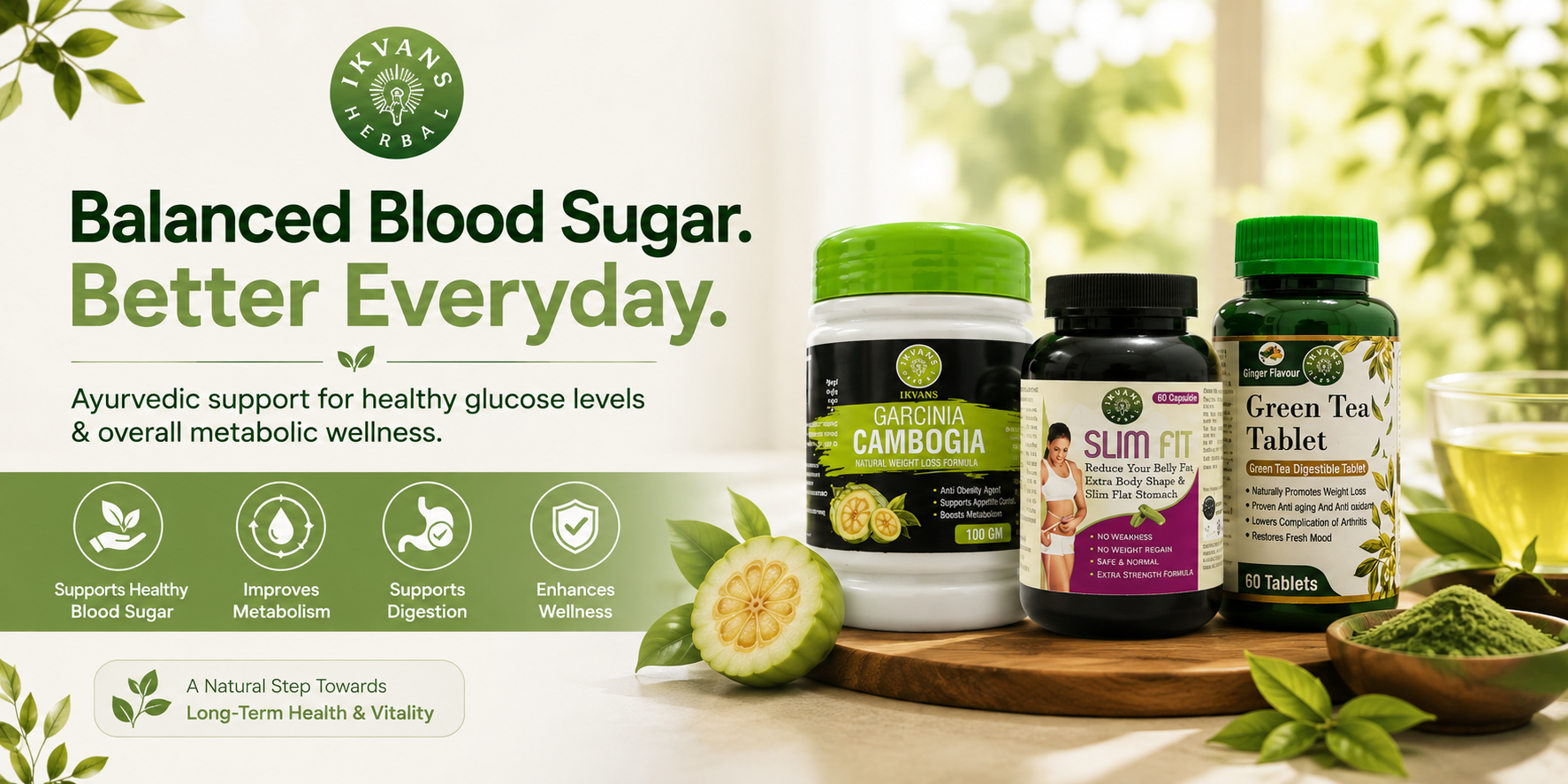
What Is the Ikvans Piles Free Combo Kit?
The Ikvans Piles Free Combo Kit is an Ayurvedic wellness combination formulated to support digestive and rectal comfort.
Ikvans positions it for:
- Pile-related wellness support
- Digestive comfort
- Easier bowel routines
- Long-term lifestyle support
- Rectal-area comfort
The product is described as focusing on gentle, long-term support rather than only temporary symptom relief.
It should not be presented as:
- A guaranteed piles cure
- A replacement for surgery
- A treatment for every cause of rectal bleeding
- A guaranteed permanent solution
- A substitute for medical diagnosis
How to Use the Ikvans Piles Free Combo Kit
Follow the exact instructions printed on each product in the kit.
Before use:
- Read all ingredient labels
- Confirm the oral and topical directions
- Use only the recommended quantity
- Do not apply topical products to severely damaged or infected skin unless advised
- Continue fibre and hydration habits
- Review medicine interactions
- Stop use if irritation or another unexpected reaction occurs
- Seek medical advice for bleeding or persistent pain
Add the exact verified usage instructions from the packaging to the Ikvans product page.
Who Should Seek Professional Advice Before Use?
Speak with a healthcare professional before using a piles-support product when you:
- Are pregnant or breastfeeding
- Take regular medicines
- Use blood thinners
- Have inflammatory bowel disease
- Have liver or kidney disease
- Have repeated rectal bleeding
- Are preparing for surgery
- Have severe pain or swelling
- Are under 18
Pregnancy-related piles are common, but treatment choices should still be discussed with a qualified professional.
Common Piles Myths
Myth 1: Every case of rectal bleeding is piles
Reality: Bleeding can have several causes and requires assessment when persistent or unexplained.
Myth 2: Spicy food is the only cause
Reality: Constipation, straining, toilet habits, pregnancy and other factors can contribute.
Myth 3: More laxatives give faster relief
Reality: Excessive laxative use may cause diarrhoea, cramps and irritation.
Myth 4: Surgery is always required
Reality: Mild cases may improve with lifestyle changes, but severe or persistent cases may need procedures.
Myth 5: Piles creams cure the condition permanently
Reality: Some products mainly provide temporary symptom relief.
Myth 6: Herbal products have no side effects
Reality: Herbal ingredients may cause allergies, irritation or medicine interactions.
Myth 7: Bleeding can be ignored when there is no pain
Reality: Internal piles may bleed without severe pain, but other conditions can also cause painless bleeding.
Frequently Asked Questions
1. What is the fastest way to relieve piles discomfort?
Keeping stools soft, avoiding straining, using warm water for comfort and following appropriate short-term treatment may help mild symptoms. Severe pain or bleeding needs assessment.
2. Which foods are good for piles?
Fibre-rich foods such as oats, whole grains, dal, beans, vegetables and whole fruits can support softer stools.
3. Does drinking water help piles?
Adequate water can support softer stools and reduce constipation-related straining.
4. Can sitting for long hours worsen piles?
Long periods of inactivity and prolonged toilet sitting may contribute to discomfort and pressure.
5. Should I exercise with piles?
Gentle activity such as walking is usually helpful. Avoid exercises that clearly worsen pain during a flare.
6. Can piles cause bleeding?
Yes, bright-red bleeding may occur, particularly with internal haemorrhoids. Persistent bleeding should be checked.
7. Can piles disappear on their own?
Mild symptoms may settle with self-care, but larger or recurring piles may require medical treatment.
8. Is the Ikvans Piles Free Combo a permanent cure?
No product should guarantee permanent cure. It is intended as complementary Ayurvedic wellness support.
9. When is surgery required?
Procedures may be considered when piles are large, prolapsed, repeatedly bleeding or unresponsive to conservative care.
10. When should I see a doctor?
Seek medical advice for repeated bleeding, severe pain, persistent symptoms, unexplained weight loss, black stools or major bowel changes.
Conclusion
Piles care should focus on reducing constipation and pressure during bowel movements.
The most useful daily habits include:
- Eating more fibre
- Drinking adequate water
- Avoiding straining
- Limiting toilet time
- Staying physically active
- Keeping the area clean
- Seeking care for persistent bleeding or pain
The Ikvans Piles Free Combo Kit may complement this routine when used according to the product instructions. It should not replace medical diagnosis or procedures when symptoms are severe or persistent.