Acidity After Eating: Common Causes, Food Triggers and Daily Relief Tips
A burning sensation after eating, sour liquid rising into the throat, uncomfortable fullness or heaviness in the stomach can make even an enjoyable meal unpleasant.
People often describe all these symptoms as acidity, but the discomfort may involve heartburn, acid reflux, indigestion or a combination of digestive symptoms.
Occasional discomfort after a heavy or spicy meal is common. However, acidity that occurs frequently, becomes severe or appears with symptoms such as difficulty swallowing, vomiting or unexplained weight loss should not be ignored.
The most useful first step is to identify patterns:
- Which foods trigger the discomfort?
- How large are your meals?
- Do you lie down soon after eating?
- Does the problem happen during stressful periods?
- Are you taking medicines that may irritate the stomach?
- How frequently do the symptoms occur?
Small changes to meal size, timing and daily habits can often support more comfortable digestion. Persistent symptoms require professional medical evaluation.
Medical disclaimer: This article is for general education and does not replace diagnosis or treatment from a qualified healthcare professional. Seek medical advice for frequent, severe or worsening digestive symptoms.
What Does “Acidity After Eating” Mean?
The word acidity is commonly used to describe several different symptoms.
Heartburn
Heartburn is a burning feeling behind the breastbone. It commonly occurs when stomach contents move upward into the oesophagus.
Acid reflux
Acid reflux may cause:
- A sour or bitter taste
- Liquid or food moving back into the mouth
- Burning in the chest or throat
- Discomfort that worsens while lying down
Indigestion
Indigestion, also called dyspepsia, is a group of symptoms that can include:
- Pain or burning in the upper abdomen
- Feeling full too quickly
- Feeling uncomfortably full after eating
- Bloating
- Nausea
- Belching
Heartburn and indigestion can occur together, but they are not exactly the same condition.
Why Does Acidity Happen After Meals?
Several meal-related and lifestyle factors can contribute to digestive discomfort.
1. Eating large portions
A very large meal stretches the stomach and may increase pressure inside it. This can make it easier for stomach contents to move upward, especially in people who are already prone to reflux.
Instead of one very heavy meal, try eating moderate portions and stopping before you feel excessively full.
2. Eating too quickly
Fast eating may lead to:
- Poor chewing
- Swallowing more air
- Overeating before fullness is noticed
- Increased bloating
- Heaviness after the meal
Try slowing down, chewing thoroughly and placing your spoon down between bites.
3. Spicy or oily foods
Spicy, fried and high-fat foods are common triggers for some people.
Fatty meals may remain in the stomach longer and can worsen feelings of fullness or reflux. Spices do not affect everyone equally, so it is more useful to identify your own triggers than to remove every spice from your diet.
Common trigger foods may include:
- Deep-fried snacks
- Heavy gravies
- Very spicy chutneys
- High-fat fast food
- Rich desserts
- Large amounts of butter or cream
4. Tea, coffee and carbonated drinks
Caffeine and carbonated beverages may worsen symptoms in some individuals.
Possible triggers include:
- Strong tea
- Coffee
- Energy drinks
- Cola
- Soda
- Large amounts of chocolate
You may not need to avoid them permanently. Start by reducing the quantity and observing whether symptoms improve.
5. Eating late at night
Eating a heavy meal shortly before sleeping may make reflux more likely because lying flat makes it easier for stomach contents to move upward.
Try finishing dinner at least a few hours before lying down whenever possible.
6. Lying down immediately after eating
Resting flat after a meal may worsen heartburn and reflux.
Remain upright after eating. A gentle walk may feel more comfortable than immediately going to bed or reclining on a sofa.
7. Stress and irregular eating
Stress does not always directly create excess stomach acid, but it can affect digestion and eating habits.
During stressful periods, people may:
- Skip meals
- Eat too quickly
- Consume more caffeine
- Choose oily convenience food
- Sleep poorly
- Pay greater attention to physical discomfort
Maintaining regular meals and using simple stress-management habits may support digestive comfort.
8. Smoking and alcohol
Smoking and alcohol may worsen reflux and irritate the digestive system.
Reducing or avoiding them can support both digestive and overall health.
9. Certain medicines
Some medicines can contribute to indigestion or stomach irritation.
Examples may include certain pain medicines, including aspirin, ibuprofen and naproxen. Do not stop a prescribed medicine without speaking to the prescribing doctor.
Common Symptoms After Eating
Digestive discomfort can appear differently from person to person.
You may notice:
- Burning in the upper abdomen
- Burning behind the chest
- Sour taste in the mouth
- Burping
- Bloating
- Nausea
- Heaviness after meals
- Feeling full after eating very little
- Food or liquid rising into the throat
- Discomfort when bending or lying down
Keeping a food-and-symptom diary for one or two weeks can help identify patterns.
Record:
- Meal time
- Foods eaten
- Approximate portion
- Tea, coffee or alcohol
- Time symptoms began
- Symptom intensity
- Whether you lay down afterward
- Stress or sleep quality
Foods That May Trigger Acidity
Triggers are individual, but frequently reported problem foods include:
- Fried foods
- Very fatty meals
- Chilli-heavy dishes
- Tomato-based sauces
- Citrus fruits or juices
- Chocolate
- Peppermint
- Coffee
- Alcohol
- Carbonated drinks
- Large onion-heavy meals
- Very sour pickles
Do not remove many nutritious foods unnecessarily.
A better approach is:
- Identify one suspected trigger
- Reduce it temporarily
- Observe whether symptoms improve
- Reintroduce it carefully
- Discuss persistent symptoms with a professional
Foods That May Feel Gentler
People experiencing digestive sensitivity may find simple meals easier to tolerate.
Options may include:
- Soft-cooked rice
- Khichdi
- Oats
- Bananas
- Plain roti
- Cooked vegetables
- Light dals
- Mild soups
- Curd when personally tolerated
- Smaller portions of lean protein
There is no single “acidity diet” suitable for everyone. Choose balanced foods that suit your body and medical needs.
How to Reduce Acidity After Eating
1. Eat smaller meals
Reduce extremely large portions. Smaller, balanced meals may cause less pressure and heaviness.
2. Chew slowly
Take time to eat without rushing, scrolling continuously or working through the meal.
3. Remain upright
Avoid lying down immediately after lunch or dinner.
4. Take a gentle walk
A short, comfortable walk after eating may support movement and reduce the temptation to lie down.
Avoid intense exercise immediately after a heavy meal.
5. Reduce personal triggers
Limit foods and drinks that repeatedly cause symptoms instead of following overly restrictive online diets.
6. Maintain a healthy body weight
For people who are overweight, gradual weight management may help reduce reflux symptoms.
7. Reduce smoking and alcohol
These can worsen digestive irritation and reflux.
8. Manage stress
Helpful habits may include:
- Deep breathing
- Meditation
- Gentle yoga
- Regular sleep
- Short breaks during work
- Eating without distraction
9. Avoid tight clothing after meals
Very tight waistbands may add pressure around the abdomen and worsen discomfort.
10. Review frequent medicine use
Speak with a doctor when pain medicines or other medications appear linked to symptoms.
Is Acidity the Same as Gas?
No.
Gas commonly causes:
- Bloating
- Burping
- Passing wind
- Abdominal pressure
Acidity or reflux may cause:
- Burning in the chest
- Sour taste
- Regurgitation
- Throat irritation
A person can experience both at the same time, but they are different symptoms and may require different approaches.
Is Acidity the Same as Indigestion?
Not exactly.
Indigestion is a broader group of upper-digestive symptoms, including discomfort, early fullness, bloating and nausea. Heartburn may occur alongside indigestion, but it is considered a separate symptom.
This distinction matters because repeatedly calling every digestive symptom “gas” or “acidity” may delay the correct evaluation.
Can Drinking Water Reduce Acidity?
Water supports hydration and may temporarily help clear an unpleasant taste from the mouth. However, it is not a guaranteed treatment for reflux or indigestion.
Avoid rapidly drinking a very large volume immediately after an already heavy meal, as this may increase fullness for some people.
Drink water regularly throughout the day instead of depending on excessive water only when discomfort begins.
Does Cold Milk Cure Acidity?
Cold milk is a popular home remedy, but it does not provide reliable long-term treatment.
Milk may temporarily feel soothing to some people. However, full-fat milk can worsen symptoms in others because of its fat content.
People with lactose intolerance may experience additional bloating, cramps or loose stools.
Can Lemon Water Help Acidity?
Despite frequent online claims, lemon water is not a guaranteed acidity remedy.
Lemon is acidic and may worsen symptoms in some people, particularly those with reflux. Others may tolerate a small amount without difficulty.
Do not continue using any home remedy that repeatedly makes the burning worse.
Can Mint Help Digestion?
Mint is commonly associated with digestive freshness, but peppermint may worsen reflux in some people.
A formulation containing mint should not automatically be assumed suitable for every person with heartburn. Follow the product directions and stop using it when symptoms become worse.
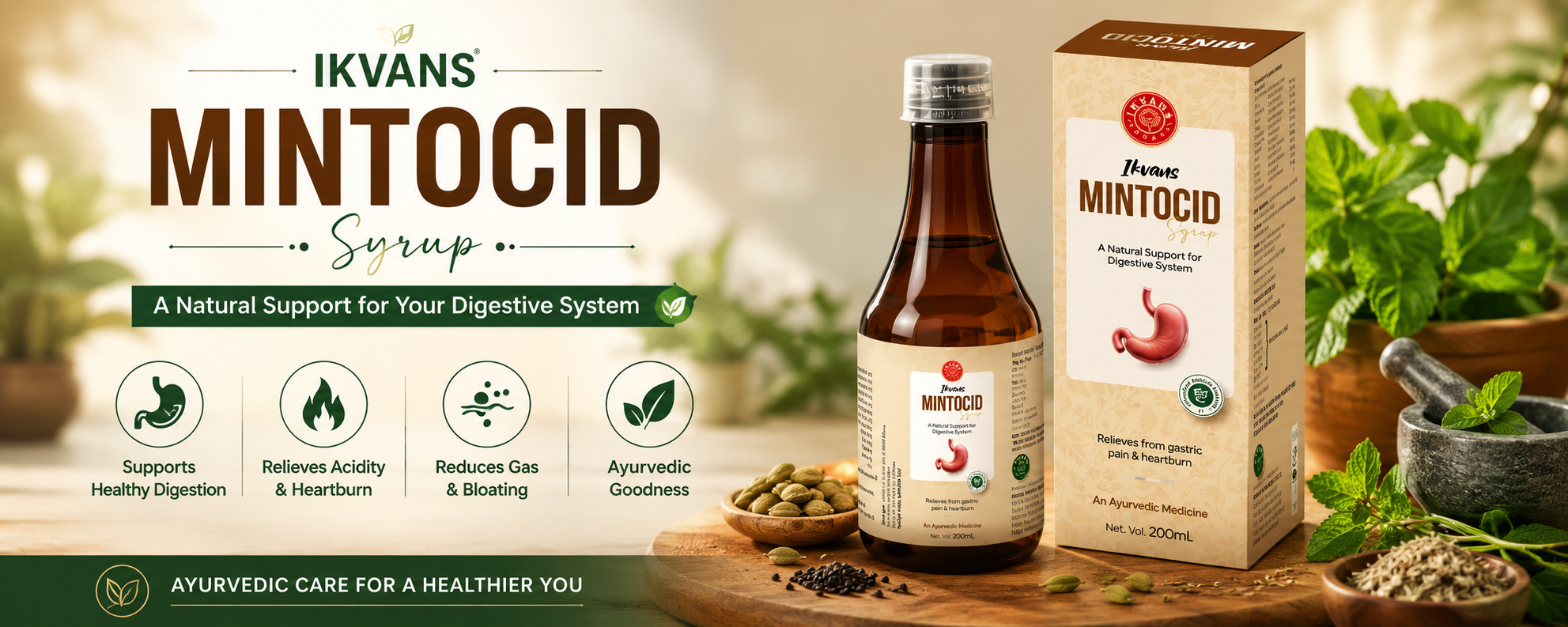
What Is Mintocid Ayurvedic Digestive Syrup?
Ikvans Mintocid is an Ayurvedic digestive syrup intended to support stomach comfort, digestion and relief from occasional heaviness, acidity, gas and indigestion as part of a balanced routine.
According to the Ikvans product page, it is designed to help soothe the stomach, reduce heaviness after meals and support smoother digestive function.
It should be positioned as digestive wellness support, not as a guaranteed cure for reflux disease, ulcers or chronic gastrointestinal conditions.
How to Use Ikvans Mintocid
Follow the exact quantity and timing stated on the bottle or advised by a qualified healthcare professional.
Before use:
- Read the complete label
- Check the recommended serving
- Shake the bottle when instructed
- Use the supplied measuring cap
- Do not exceed the recommended quantity
- Review other medicines or supplements
- Stop use if discomfort worsens
The website should display the exact verified serving instructions from the packaging to reduce customer confusion.
Who Should Speak to a Doctor Before Using It?
Seek professional advice before using digestive herbal products when you:
- Are pregnant or breastfeeding
- Take regular medication
- Have liver or kidney disease
- Have a diagnosed stomach ulcer
- Have chronic reflux
- Are under 18
- Have recurring vomiting
- Have unexplained abdominal pain
- Have allergies to herbal ingredients
Herbal products can still cause side effects or interact with medicines.
When Should You Seek Medical Care?
Occasional mild indigestion may improve with routine changes, but frequent or severe symptoms require medical attention.
Consult a doctor when:
- You experience heartburn most days
- Symptoms continue despite lifestyle changes
- Food feels stuck while swallowing
- You have repeated vomiting
- You lose weight without trying
- You have severe pain
- You have iron-deficiency anaemia
- You notice blood in vomit or stool
- Symptoms are new and worsening
These signs may indicate a condition that should not be treated only with home remedies or digestive syrup.
Seek urgent medical help for severe chest pain, especially when accompanied by breathlessness, sweating, dizziness or pain spreading to the arm, back, neck or jaw.
Frequently Asked Questions
1. Why do I get acidity immediately after eating?
Possible triggers include large portions, oily food, spicy meals, fast eating, caffeine, alcohol or an existing reflux condition.
2. Which foods commonly trigger acidity?
Fried foods, fatty meals, chilli-heavy dishes, coffee, chocolate, alcohol, tomatoes and carbonated drinks are common triggers, although individual responses vary.
3. Can walking after meals reduce acidity?
A gentle walk may support comfort and keep you upright. Avoid intense exercise immediately after a heavy meal.
4. Should I lie down when I have acidity?
Lying flat may worsen reflux. Remain upright after eating and avoid sleeping immediately after meals.
5. Is acidity caused by excess stomach acid?
Not always. Symptoms may also involve reflux, stomach sensitivity, meal size, delayed digestion or another gastrointestinal condition.
6. Can stress cause indigestion?
Stress may affect eating behaviour, digestion and symptom awareness. Managing stress can be one part of a broader digestive routine.
7. Can I take digestive syrup every day?
Follow the product label and professional advice. Persistent daily symptoms should be medically evaluated instead of managed indefinitely without identifying the cause.
8. Is Mintocid a cure for acid reflux?
No. It is positioned as Ayurvedic digestive-wellness support and should not replace diagnosis or prescribed reflux treatment.
9. Can acidity cause chest pain?
Heartburn may cause burning chest discomfort, but chest pain can also have serious causes. Seek urgent help when pain is severe, unfamiliar or accompanied by breathlessness, sweating or spreading pain.
10. When should I see a doctor?
Seek medical advice for frequent symptoms, severe pain, difficulty swallowing, repeated vomiting, bleeding, anaemia or unexplained weight loss.
Conclusion
Acidity after eating is often connected with meal size, trigger foods, late-night eating, lying down too quickly and irregular lifestyle habits.
Begin by eating moderate portions, chewing slowly, remaining upright after meals and identifying your personal food triggers. Do not depend on restrictive diets, excessive home remedies or unverified detox claims.
Ikvans Mintocid Ayurvedic Digestive Syrup may be included as part of a balanced digestive-wellness routine when used according to its label. However, frequent or worsening acidity needs professional evaluation to identify and treat the underlying cause.
Support Comfortable Digestion After Meals
Explore Ikvans Mintocid Ayurvedic Digestive Syrup, formulated to support stomach comfort and help manage occasional heaviness, gas and indigestion as part of a balanced routine.