Nobody warned you it would feel like this.
One week your periods are irregular. The next you are waking at 3am drenched in sweat. Your mood shifts without warning. Your joints ache. Your energy disappears by noon. Your memory feels foggy. And somewhere underneath all of it is the unsettling feeling that your body is changing in ways nobody around you seems to want to talk about.
Menopause and the years leading up to it perimenopause are among the most significant transitions in a woman's life. Yet in India, it remains one of the most poorly understood, least discussed, and most undertreated health experiences women go through.
Conventional medicine offers Hormone Replacement Therapy (HRT) which works for many women but carries real risks including increased breast cancer risk, blood clots, and cardiovascular complications that make many women and their doctors hesitant to use it.
Ayurveda offers something different: a gentle, time-tested system that works with your body's natural transition rather than overriding it. One that has supported Indian women through this phase for thousands of years, with herbs that modern research is now validating in clinical trials.
This is your complete guide.

Understanding the Transition: Perimenopause vs Menopause
These two terms are often confused, so let us be clear from the start.
Perimenopause is the transition period leading up to menopause typically beginning in a woman's early to mid-40s, though it can start as early as 35. During perimenopause, oestrogen and progesterone levels fluctuate erratically rather than declining steadily. This hormonal rollercoaster is responsible for most of the symptoms women find most disruptive: irregular periods, mood swings, sleep disruption, and hot flashes. Perimenopause can last anywhere from 2 to 10 years.
Menopause itself is defined as the point at which a woman has not had a menstrual period for 12 consecutive months. The average age of menopause in Indian women is 46–48 years slightly earlier than the global average of 51. After this point, oestrogen levels stabilise at a new, lower baseline.
Post-menopause is the phase following menopause when many women actually begin to feel better as the hormonal fluctuations settle, though long-term oestrogen deficiency brings its own considerations including bone density loss and cardiovascular changes.
The Ayurvedic Understanding: Rajonivrutti
In Ayurveda, menopause is called Rajonivrutti the cessation of Raja (menstruation). It is not classified as a disease but as a natural life transition the movement from the Pitta-dominant phase of life (the reproductive years, roughly 25–50) to the Vata-dominant phase (maturity and wisdom, 50 onwards).
This transition involves a natural decline in Ojas the essence of vitality, immunity, and reproductive energy. It also involves an increase in Vata dosha, which explains why menopausal symptoms cluster around Vata characteristics: dryness (vaginal dryness, dry skin, dry eyes), irregularity (erratic periods, disrupted sleep), lightness (anxiety, scattered thoughts), and movement (hot flashes, restlessness, palpitations).
The Ayurvedic approach to menopause is therefore to nourish Ojas, pacify elevated Vata, manage Pitta flares (hot flashes, irritability, inflammation), and support the body's graceful movement into its next phase of life.
The Most Common Symptoms And What Drives Each One
Understanding what drives each symptom helps you target treatment more precisely.
Hot flashes and night sweats are caused by Pitta aggravation excess heat in the body combined with Vata instability destabilising the hypothalamus's temperature regulation. In Western medicine this is explained by oestrogen withdrawal affecting the hypothalamic thermostat. Both explanations point to the same experience: sudden, intense heat that can last seconds to minutes and recur dozens of times daily.
Mood swings and irritability arise from the combination of Pitta excess (anger, frustration, heat-driven emotions) and Vata increase (anxiety, fear, instability). The dramatic fluctuations in oestrogen and progesterone during perimenopause directly affect serotonin and GABA your primary mood-stabilising neurotransmitters.
Sleep disruption is one of the most debilitating menopausal symptoms. Night sweats interrupt sleep physically. But even without night sweats, elevated Vata causes the mind to race at night the classic 3am wake-up where anxious thoughts loop endlessly. Progesterone which has natural sedative properties declines sharply during perimenopause, removing a key sleep hormone.
Brain fog and memory lapses are among the most frightening symptoms for many women. Oestrogen plays a significant role in maintaining neuronal connections and cognitive clarity. Its decline can cause what feels like sudden cognitive deterioration forgetting words, losing train of thought, struggling to concentrate. Reassuringly, research shows this is largely temporary most women report cognitive improvements 2–3 years after menopause.
Vaginal dryness and discomfort result from declining oestrogen causing thinning and reduced lubrication of vaginal tissues. This affects intimate relationships and can also cause urinary frequency and recurrent UTIs.
Joint pain and stiffness affect many menopausal women oestrogen has anti-inflammatory properties in joints, and its decline can trigger or worsen musculoskeletal discomfort, particularly in the knees, hips, and hands.
Weight gain particularly around the abdomen is driven by declining oestrogen shifting fat storage patterns, declining metabolic rate, cortisol-driven fat accumulation from poor sleep, and reduced muscle mass.
The Most Powerful Ayurvedic Herbs for Menopause
Shatavari — The Queen of Menopausal Support
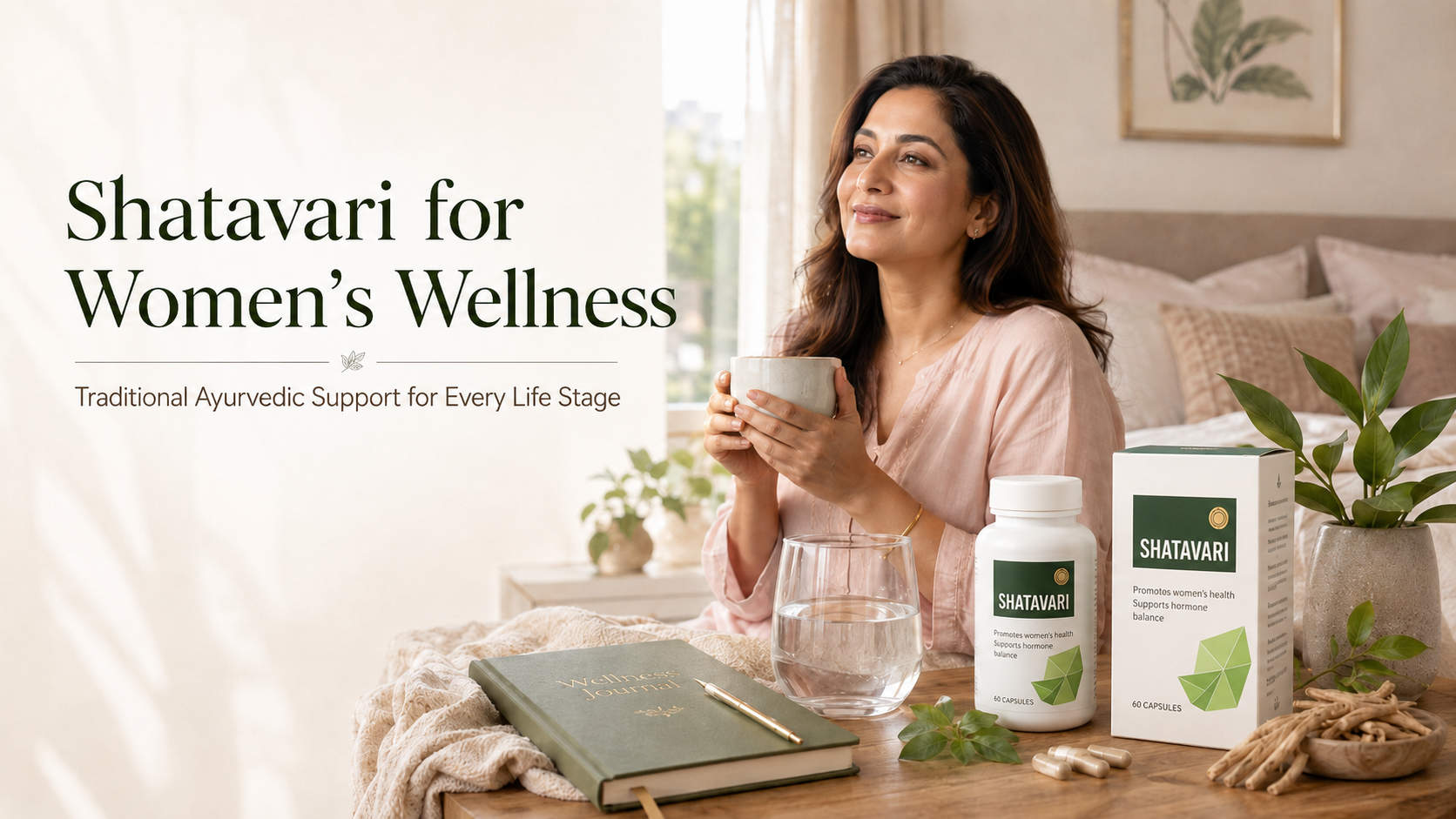
Shatavari (Asparagus racemosus) is the single most important herb for menopausal women in Ayurveda. Its name meaning she who possesses a hundred husbands speaks to its profound ability to sustain female vitality across all stages of life.
Shatavari contains steroidal saponins called shatavarins that act as phytoestrogens plant compounds that gently mimic oestrogen activity in the body. Unlike synthetic HRT, phytoestrogens are much weaker than human oestrogen and modulate rather than override the body's hormonal environment.
Clinical research on Shatavari in menopausal women has shown significant reductions in hot flash frequency and severity, improved sleep quality, reduced vaginal dryness, better mood stability, and improved energy levels all without the cardiovascular and cancer risks associated with conventional HRT.
Shatavari also deeply nourishes Ojas the vital essence that declines during the menopausal transition. Women taking it consistently report a return of that sense of inner vitality and resilience that perimenopause strips away.
Recommended use: 500mg of standardised Shatavari extract twice daily with warm milk. Results typically become noticeable within 4–6 weeks of consistent use.
Ashoka — For Hormonal Transition and Uterine Health
Ashoka (Saraca asoca) has been used in Ayurveda for women's reproductive health for millennia. During perimenopause, when periods become irregular sometimes very heavy, sometimes skipped entirely Ashoka helps regulate the uterine lining and reduce dysfunctional uterine bleeding.
Its active compounds including tannins, catechins, and ketosterols have both oestrogenic and uterine-toning properties. For women in early perimenopause dealing with erratic, heavy periods, Ashoka is one of the most targeted and effective herbs available.
Lodhra — Hormonal Balancing and Skin Support
Lodhra (Symplocos racemosa) is a remarkable herb that helps modulate FSH and LH levels the pituitary hormones that become elevated as the ovaries wind down. Elevated FSH is what drives many menopausal symptoms including hot flashes and mood changes. By helping moderate this hormonal signal, Lodhra reduces symptom severity.
Lodhra also has significant benefits for menopausal skin changes the collagen loss, dryness, and loss of firmness that accompany oestrogen decline. It supports skin quality from the inside out.
Ashwagandha — The Stress and Sleep Anchor
Menopause and perimenopause are physiologically stressful transitions. Cortisol the stress hormone rises as oestrogen falls, creating a double burden of hormonal disruption. Ashwagandha directly lowers cortisol, improves sleep quality, reduces anxiety, and supports adrenal function.
The adrenal glands become increasingly important after menopause because they take over partial oestrogen production from the ovaries producing a form of oestrogen called oestrone. Supporting adrenal health with Ashwagandha therefore has a direct hormonal benefit during and after menopause.
Brahmi — For Brain Fog and Emotional Stability
Brahmi (Bacopa monnieri) is Ayurveda's premier herb for cognitive function. For menopausal women experiencing brain fog, memory lapses, and concentration difficulties, Brahmi provides targeted neurological support improving memory consolidation, reducing anxiety, and enhancing mental clarity.
It also has adaptogenic properties that help stabilise mood fluctuations making it a valuable complement to Shatavari for the emotional and cognitive dimensions of menopause.
Guduchi (Giloy) — Inflammation and Immunity
Menopause is associated with increased systemic inflammation which drives joint pain, cardiovascular risk, and accelerated aging. Guduchi is one of Ayurveda's most powerful anti-inflammatory herbs, with the added benefit of immune modulation. For menopausal women experiencing joint pain, recurrent infections, or inflammatory skin conditions, Guduchi is an essential addition to the protocol.
An Ayurvedic Daily Routine for Menopausal Women
Ayurveda's greatest strength is its emphasis on Dinacharya daily routine as medicine. For menopausal women, a consistent, Vata-pacifying daily routine is as important as any herb.
Wake up at a consistent time — ideally before 6am. Vata is aggravated by irregular schedules, and consistency is one of the most powerful Vata-pacifying practices. Start the day with warm water never cold to gently stimulate digestion and elimination.
Abhyanga (Self-Oil Massage): Apply warm sesame oil to the entire body before bathing, 3–5 times per week. This deeply nourishes the skin (addressing menopausal dryness), calms Vata, improves circulation, and reduces joint stiffness. It is one of the most powerful anti-aging practices in Ayurveda and takes only 10 minutes.
Gentle morning yoga: High-intensity exercise aggravates Vata and Pitta both elevated during menopause. Gentle yoga, stretching, and Pranayama (breathwork) are ideal. Sitali Pranayama the cooling breath is specifically effective for hot flash management.
Breakfast: Warm, nourishing, and Ojas-building. Warm milk with Shatavari, dates, and a pinch of cardamom is the classical Ayurvedic breakfast tonic for menopausal women. Avoid skipping breakfast irregular eating dramatically worsens Vata imbalance.
Midday meal: Your largest meal of the day. Include healthy fats (ghee, coconut, sesame), protein, and cooked vegetables. Phytoestrogen-rich foods flaxseeds, sesame seeds, soybeans — are valuable dietary additions for menopausal women.
Afternoon rest: A brief 20-minute rest (not sleep) in the afternoon, if possible, supports Ojas replenishment. This is not laziness it is medicine.
Evening: Light dinner by 7pm. Heavy late dinners worsen night sweats and sleep disruption significantly. Warm milk with Ashwagandha and nutmeg before bed supports sleep quality.
Bedtime by 10pm: Sleep before 10pm is deeply restorative and Vata-pacifying. After 10pm, Pitta activity increases making the mind more alert and sleep harder to achieve.
Foods That Support Menopausal Health
Include More Of
- Phytoestrogen-rich foods: flaxseeds, sesame seeds, soybeans, tofu, chickpeas
- Calcium-rich foods for bone health: til (sesame), ragi, dairy, leafy greens
- Healthy fats: ghee, coconut oil, avocado, nuts essential for hormone production and skin health
- Cooling foods for hot flashes: coconut water, cucumber, fennel, coriander, mint
- Magnesium-rich foods for sleep: dark leafy greens, pumpkin seeds, almonds, dark chocolate
Reduce or Eliminate
- Spicy, sour, and fermented foods these aggravate Pitta and worsen hot flashes dramatically
- Alcohol disrupts sleep, triggers hot flashes, and depletes Ojas
- Caffeine particularly in the afternoon and evening; worsens hot flashes and sleep disruption
- Refined sugar drives inflammation and mood instability
- Cold and raw foods aggravate Vata and impair digestion
Bone Health During and After Menopause
Oestrogen plays a critical role in maintaining bone density. Its decline after menopause accelerates bone loss increasing the risk of osteoporosis and fractures, particularly in the spine, hips, and wrists. This is a serious long-term consideration that many Indian women underestimate.
The Ayurvedic approach to menopausal bone health centres on three pillars. First, calcium-rich foods particularly sesame seeds, ragi, and dairy consumed daily. Second, weight-bearing exercise —walking, yoga, and gentle strength training stimulate bone formation and slow bone loss more effectively than any supplement alone. Third, Vitamin D — critical for calcium absorption and chronically deficient in a significant proportion of Indian women regardless of sun exposure. Get your Vitamin D levels tested and supplement if deficient.
Additionally, Ayurvedic herbs like Hadjod (Cissus quadrangularis) — literally meaning bone joiner — have specific bone-building and fracture-healing properties that are particularly relevant for post-menopausal women.
Ikvanscare's Women's Wellness Range for Menopause Support
Ikvanscare's women's wellness range is built on the understanding that menopause is not a disease to be treated but a transition to be supported — with the right herbs, at the right doses, in the right combinations.
The Nari Care Combo Kit provides comprehensive herbal support across all the major dimensions of menopausal health — hormonal balance, sleep, energy, emotional stability, and intimate wellness — in a single, convenient protocol.
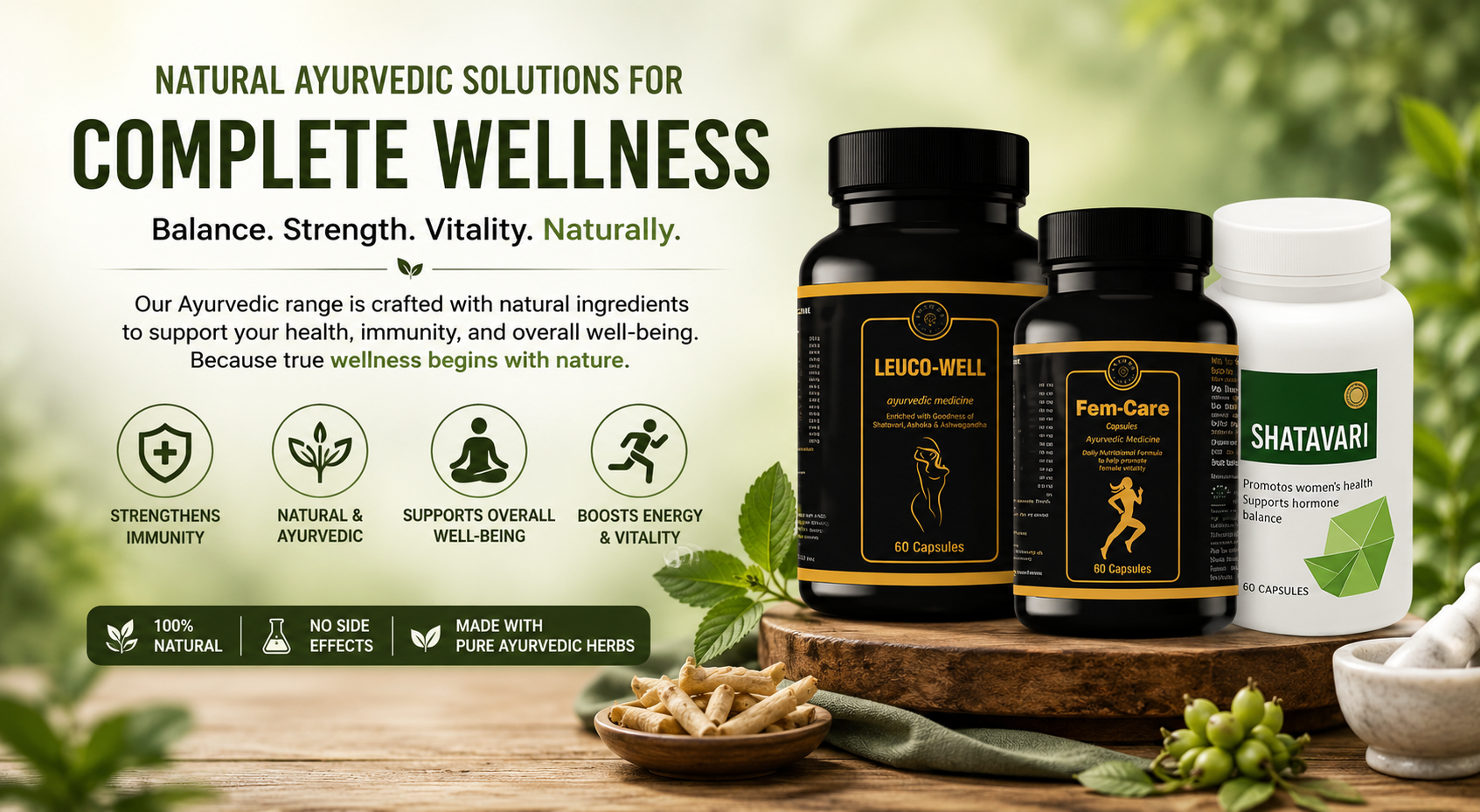
Shatavari Capsules provide targeted daily support for the phytoestrogenic and Ojas-building benefits that are central to smooth menopausal transition.
Shop the Nari Care Combo Kit at ikvanscare.com/products/nari-care-combo-kit
Shop Ikvans Shatavari at ikvanscare.com/products/shatavari
Frequently Asked Questions
Q: At what age does perimenopause typically start in Indian women?
A: Indian women typically begin perimenopause between 40 and 45 years of age — slightly earlier than Western women. However, it can begin as early as 35 in women with certain lifestyle factors, high stress levels, or a family history of early menopause. Any significant changes in menstrual regularity, mood, or sleep after 38 deserve attention.
Q: Can Ayurvedic herbs completely replace HRT?
A: For many women with mild to moderate symptoms, Ayurvedic herbs particularly Shatavari, Ashwagandha, and Lodhra provide sufficient relief without HRT. For women with severe symptoms or significant bone density loss, HRT may still be the most appropriate option. This decision should be made with a qualified doctor based on individual risk factors and symptom severity. Ayurvedic herbs can also be used alongside low-dose HRT to reduce the required dose.
Q: How long should I take Shatavari for menopause?
A: Shatavari is safe for long-term daily use and most menopausal women benefit from taking it throughout the perimenopausal transition and for several years after menopause. It supports not just hormonal balance but also bone health, skin quality, urinary health, and immune function all of which benefit from ongoing support in the post-menopausal phase.
Q: Are hot flashes dangerous?
A: Hot flashes are uncomfortable but not dangerous in themselves. However, frequent, severe hot flashes significantly disrupt sleep, which has downstream effects on cardiovascular health, weight, mood, and cognitive function. Treating them — whether with Ayurvedic herbs, lifestyle changes, or HRT is a legitimate health priority, not just a comfort measure.
Q: Can yoga really help with menopausal symptoms?
A: Yes significantly. Multiple clinical studies have shown that regular yoga practice reduces hot flash frequency, improves sleep quality, reduces anxiety and depression scores, and improves overall quality of life in perimenopausal and menopausal women. Yoga works through multiple pathways: reducing cortisol, improving parasympathetic nervous system tone, reducing inflammation, and providing a consistent daily anchor that pacifies Vata.
Q: My periods have become very heavy and irregular. Is this perimenopause?
A: Irregular and sometimes heavier periods are among the most common early signs of perimenopause. However, abnormally heavy bleeding should always be evaluated by a gynaecologist to rule out fibroids, polyps, or other uterine conditions before attributing it to hormonal transition. Once serious causes are ruled out, Ayurvedic herbs like Ashoka and Lodhra are highly effective for managing perimenopausal menstrual changes.
Q: I am 42 and experiencing some of these symptoms. Is it too early to start Ayurvedic support?
A: Absolutely not in fact, starting Ayurvedic support in the early perimenopausal phase produces the best outcomes. The earlier you begin nourishing Ojas, balancing hormones, and strengthening the nervous system, the smoother the entire transition will be. Think of it as building reserves before the storm rather than scrambling during it.
Conclusion: This Transition Deserves Your Full Attention and Care
Menopause is not the end of vitality. In Ayurveda, it is the beginning of a woman's most powerful phase the transition into wisdom, freedom from reproductive cycles, and the deepening of her inner life. Many women report feeling more themselves more grounded, more clear, more purposeful in the years after menopause than at any earlier point in their lives.
But getting there comfortably requires attention, support, and the right tools. The symptoms of perimenopause and menopause are real and deserve to be taken seriously not dismissed as just something women have to endure.
Ayurveda gives you a complete toolkit: herbs that support your hormonal transition, a daily routine that stabilises your nervous system, foods that nourish your bones and skin, and a philosophy that sees this phase of life not as a deficiency to be corrected but as a transition to be honoured.
You deserve to feel well through every phase of your life. Start giving your body the support it is asking for.